“`html
Why Your Sagamore Beach Roof Looks Like It’s Growing a Science Experiment
Last spring, a homeowner on Squanto Road glanced up at their Cape-style home and noticed something unsettling: those distinctive black streaks had spread across nearly half their roof over the winter. What started as a few dark patches near the north-facing edge had transformed into an archipelago of discoloration that made their entire house look decades older. If you’re reading this, chances are you’ve spotted similar growth on your own roof—and you’re wondering whether those black streaks and fuzzy green patches are just ugly, or actually damaging your investment.
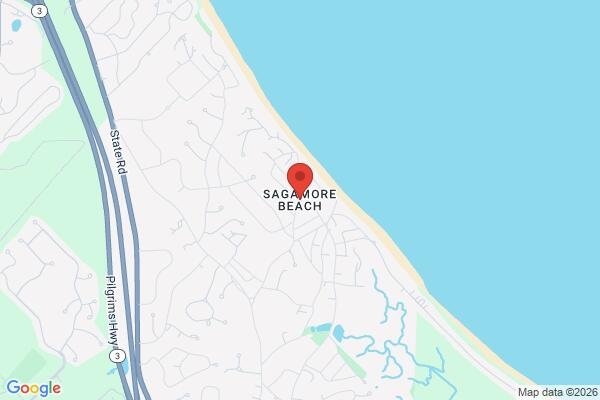
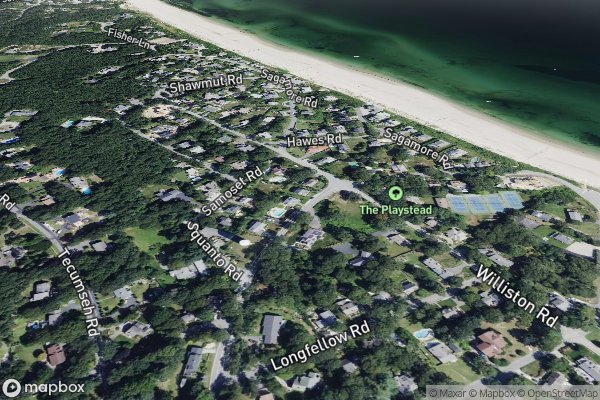
Here’s the truth about what’s happening on Sagamore Beach roofs: those black streaks aren’t dirt or discoloration. They’re Gloeocapsa magma, a cyanobacteria that feeds on the limestone filler in asphalt shingles. The moss you’re seeing? It’s even worse, because moss roots can actually lift shingle edges and create pathways for water infiltration. Our coastal climate—with salt air, frequent fog rolling in from Cape Cod Bay, and those stretches of damp, overcast days—creates perfect conditions for both algae and moss to thrive. Homes near the water or with significant tree cover face particularly aggressive growth.
What’s Actually Causing Damage (And What’s Just Cosmetic)
Before you panic about black streaks on roof removal cost, understand the difference between algae and moss. Algae causes primarily cosmetic issues, though it does retain moisture that accelerates shingle degradation. Moss, however, is actively destructive. Those green clumps act like sponges, holding moisture against your shingles and creating freeze-thaw cycles that crack and curl the material. In Massachusetts winters, this becomes particularly problematic—water trapped by moss freezes, expands, and physically damages the shingle granules that protect your roof.
The most common mistake Sagamore Beach homeowners make? Using a pressure washer. High-pressure cleaning might blast away the visible growth, but it also strips away the protective granules on your shingles, essentially aging your roof by 5-10 years in an afternoon. Roof moss removal without damage requires either professional soft wash roof cleaning or extremely careful manual removal—neither of which should involve equipment that exceeds 1,200 PSI (and even that’s too high for most residential roofs).
Three Approaches to Cleaning Your Roof: What Works in Our Climate
Professional Soft Wash Cleaning: This method uses low-pressure application (under 500 PSI) combined with specialized cleaning solutions that kill algae and moss at the root level. A typical soft wash roof cleaning near me in the 02562 area costs between $450-$850 for an average 2,000 square foot roof, depending on severity and accessibility. The solution—usually containing sodium hypochlorite or similar biocides—continues working for weeks after application, meaning you won’t see regrowth for 2-4 years. Pros: Most effective long-term solution, relatively gentle on shingles. Cons: Higher upfront cost, requires professional application to avoid chemical damage to landscaping.
DIY Chemical Treatment: Products like Wet & Forget or Spray & Forget can be applied with a garden sprayer and work gradually over several months. You’ll spend $50-120 on enough product to treat an average roof. Pros: Budget-friendly, no ladder work required (can spray from ground with extension wand). Cons: Takes 6-12 months to see full results, requires multiple applications, less effective on heavy moss growth. Best suited for early-stage algae before moss establishes itself.
Manual Removal with Zinc Treatment: For moderate moss, you can carefully use a stiff brush or specialized roof rake to remove growth, working downward from the ridge to avoid lifting shingles. Follow this immediately with zinc strip installation. Pros: Most budget-friendly for DIY-capable homeowners. Cons: Labor-intensive, risk of personal injury from ladder work, easy to damage shingles if done incorrectly. Many Sagamore Beach contractors charge $300-500 for professional manual removal combined with preventative treatment.
Prevention: Why Zinc Strips Actually Work on Cape Cod Roofs
Installing zinc strips for roof algae prevention near your ridge line creates an ongoing protective barrier. When it rains, trace amounts of zinc wash down the roof surface, creating an environment where algae and moss struggle to establish themselves. A typical installation involves 3-inch zinc strips placed every 20 feet along the ridge, costing $200-400 professionally installed or $75-150 for materials if you’re comfortable working at height.
Here’s what matters for Sagamore Beach specifically: zinc strips work best when installed before heavy growth appears, and they’re most effective on roofs with at least partial sun exposure. If your home sits in heavy tree shade—common in neighborhoods near the conservation areas—zinc alone won’t solve persistent moss problems. You’ll also want to consider algae resistant shingles installation when it’s time to replace your roof. Modern shingles from manufacturers like CertainTeed (Landmark IR) and GAF (Timberline HDZ) contain copper granules that provide built-in protection, adding only $15-25 per square to material costs but extending the algae-free period significantly.
Questions to Ask Before Hiring Someone in Sagamore Beach
- What specific cleaning solution do you use, and is it safe for my landscaping and sepals system?
- What’s your PSI limit for roof cleaning, and do you offer true soft wash service?
- Are you insured for both liability and workers’ compensation in Massachusetts?
- Can you provide references from other Sagamore Beach or Bourne area homeowners?
- What’s your warranty on the cleaning, and what does it cover if algae returns within that timeframe?
- Do you offer preventative treatments or zinc strip installation as part of your service?
Finding Qualified Roof Cleaning Professionals in 02562
When searching for roof moss and algae removal services in Sagamore Beach, prioritize contractors who specifically mention soft wash techniques and can explain their chemical mixing ratios. Ask for proof of insurance and check online reviews that specifically mention careful work around coastal landscaping—salt-tolerant plants and beach roses don’t need additional chemical stress. A qualified local professional should understand how our maritime climate affects roof longevity and recommend prevention strategies tailored to whether your home faces the water or sits back in the tree-covered areas along Route 3A.
“`