“`html
Why Your Braceville Roof Looks Like It’s Growing a Science Experiment
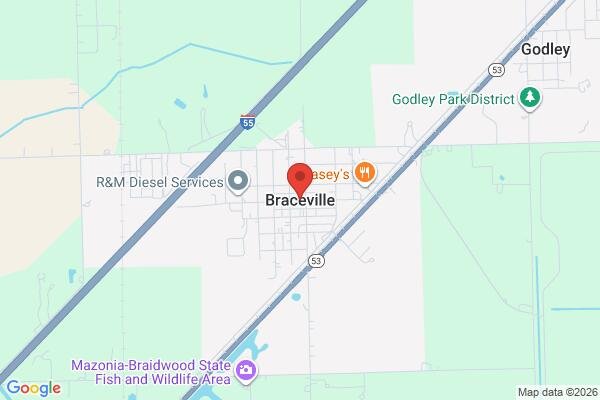
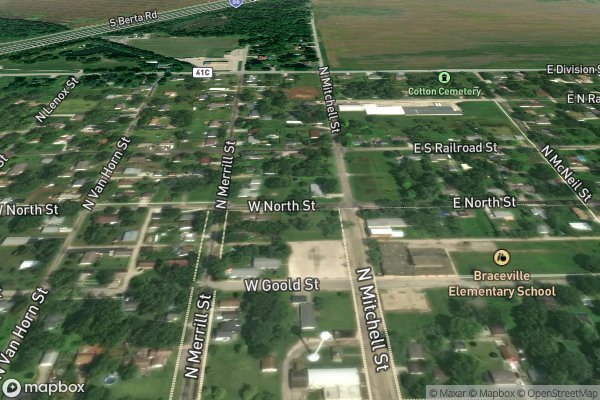
You’re enjoying your morning coffee on the porch when you glance up and notice something alarming: your once-pristine shingles now sport dark streaks that look like someone dragged a dirty mop across them. Maybe you’ve spotted green fuzzy patches clustered near your gutters. Welcome to one of the most common frustrations for Braceville homeowners—roof moss and algae growth. Thanks to our humid Illinois summers and the moisture-trapping shade from those gorgeous mature oaks throughout the 60407 area, your roof has become prime real estate for these unwanted organisms. The good news? You’ve got options, and understanding them will save you money and extend your roof’s lifespan by years.
What’s Actually Growing Up There, and Does It Matter?
Let’s clear up a common misconception first. Those black streaks aren’t dirt or environmental staining—they’re Gloeocapsa magma, a type of algae that feeds on the limestone filler in asphalt shingles. The greenish, spongy stuff? That’s actual moss, which develops roots that can lift shingle edges and trap moisture underneath. Both are problematic, but in different ways. Algae primarily affects your home’s curb appeal and can make your shingles age faster by reducing their reflective properties, raising your cooling costs by up to 8% during those sweltering July weeks we experience in Braceville. Moss causes physical damage—those roots burrow between shingle layers, creating pathways for water infiltration that can eventually rot your roof decking. Given that many homes in the older sections near Coal City Road were built in the 1970s-80s, this damage compounds faster on already aging roofs.
Should You DIY or Call the Professionals?
Here’s where homeowners often make costly mistakes. Your instinct might be to grab a pressure washer and blast away those streaks. Stop right there. High-pressure washing can strip the protective granules off your shingles, effectively aging your roof by 5-10 years in an afternoon. For roof moss removal without damage, you need a gentler approach. If you’re dealing with light algae staining and feel comfortable on a ladder, you can try a DIY solution: mix one part bleach to three parts water, spray it on during an overcast day (to prevent rapid evaporation), let it sit for 15-20 minutes, then rinse with a garden hose at low pressure. Wear eye protection and old clothes—this mixture will bleach whatever it touches, including your favorite Cubs t-shirt.
However, if you’ve got significant moss buildup, thick algae colonies, or a roof pitch steeper than 6/12 (common in newer construction near Gardner Road), professional soft wash roof cleaning near me is your safest bet. This method uses specialized low-pressure equipment and eco-friendly cleaning solutions that kill organisms at the root without damaging shingles. The black streaks on roof removal cost in the Braceville area typically ranges from $350 to $650 for an average 2,000 square foot home, depending on the severity of growth and roof complexity. That’s significantly less than the $8,000-$15,000 you’d spend on premature roof replacement if moss damage compromises your decking.
Prevention Strategies That Actually Work in Illinois Weather
Once you’ve cleaned your roof, keeping it that way requires a strategy suited to our climate. Here are your best options:
- Zinc strips for roof algae prevention: These metal strips installed at the ridge line release zinc particles when it rains, creating an environment algae and moss can’t tolerate. Cost runs $150-$300 for materials and installation on a typical home, and they’re effective for 15+ years.
- Algae resistant shingles installation: If you’re due for replacement anyway, consider shingles with copper granules integrated into the surface. Brands like CertainTeed’s StreakFighter or Owens Corning’s Duration with SureNail Technology cost about 10-15% more than standard shingles but come with warranties against algae discoloration.
- Regular trimming: Cut back tree branches that hang within 10 feet of your roof. Increased sunlight and airflow make it harder for organisms to establish themselves.
- Annual inspections: Each spring after snowmelt, check your north-facing slopes and shaded areas. Catching growth early means easier, cheaper treatment.
- Gutter maintenance: Clogged gutters create damp conditions perfect for moss. Clean them twice yearly—once after the fall leaves drop and again in late spring.
Questions to Ask Before Hiring a Roof Cleaning Company
Not all roof cleaning services are created equal, especially in our area where fly-by-night contractors sometimes surface after storm seasons. When getting quotes, ask these specific questions: Do they use soft washing methods or pressure washing? (You want soft washing.) Are they insured with both liability and workers’ compensation coverage? Can they provide references from other Braceville homeowners? What cleaning solution do they use, and is it safe for your landscaping? (Bleach-based solutions need proper rinsing and vegetation protection.) Will they inspect for underlying damage while they’re up there? A reputable contractor won’t mind answering these questions and should offer a warranty on their work—typically one to two years against algae regrowth.
If you’re searching for qualified professionals to handle roof moss and algae removal in Braceville, IL, look for contractors with at least five years of local experience and proper licensing. The best companies will offer a free roof inspection, provide detailed written estimates, and explain both immediate cleaning and long-term prevention options tailored to your specific roof and the unique conditions we face here in the 60407 area.
“`