“`html
Why Your Bomoseen Roof Looks Like It’s Growing a Science Experiment
You’re enjoying your morning coffee on the porch overlooking Bomoseen Lake, and your eyes drift upward to your roof. Those dark streaks you noticed last fall? They’ve spread. What started as a few black lines near your northern roofline now looks like someone spilled ink across half your shingles. Your neighbor mentioned something about algae last summer, but you figured Vermont’s cold winters would take care of it. Surprise—they didn’t. Between our humid summers, heavy tree coverage around the lake, and those long stretches of spring dampness, Bomoseen’s climate is basically a five-star resort for roof moss and algae.
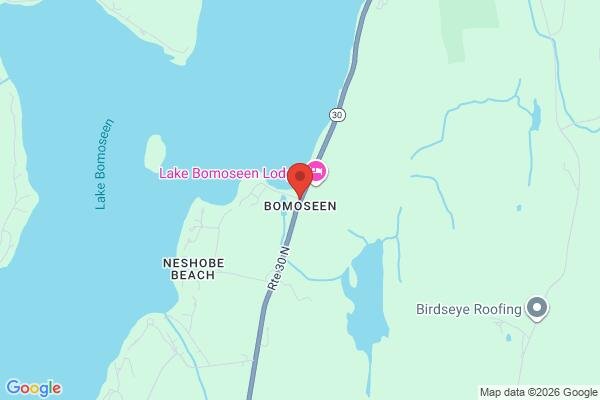
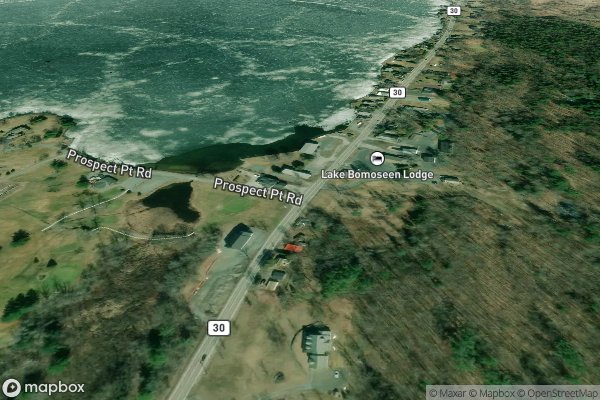
Here’s what most homeowners in the 05732 area don’t realize: those black streaks aren’t just cosmetic. That’s Gloeocapsa magma, a blue-green algae that feeds on the limestone filler in your asphalt shingles. The moss tucking itself into your shingle edges? It’s holding moisture against your roof deck, potentially leading to rot and ice dam formation come January. With many Bomoseen homes built in the 1970s and 80s—before algae-resistant shingles became standard—this problem affects nearly every third house around the lake.
What Black Streaks on Roof Removal Cost Actually Means for Your Budget
Let’s talk numbers, because “it depends” isn’t helpful when you’re planning home maintenance. For a typical 2,000-square-foot Bomoseen home, professional roof moss removal without damage runs between $450 and $850. That’s assuming moderate growth and accessible roof pitch. Here’s the breakdown: basic algae treatment using soft wash roof cleaning methods typically costs $0.20 to $0.40 per square foot. If you’ve got thick moss requiring manual removal before treatment, add another $150 to $300. Homes with steep pitches or multiple stories—common in the hillside properties around Neshobe Beach—can push costs toward $1,000 because of additional safety equipment and labor time.
The price difference between DIY and professional service is tempting to consider, but here’s where Bomoseen homeowners frequently stumble. A decent pump sprayer and algae cleaner from the hardware store runs about $75. Sounds great, right? The problem is threefold: First, you need the right cleaner. Oxygen bleach solutions (like OxiClean-based products) are gentler but require multiple applications. Sodium hypochlorite solutions work faster but can damage landscaping—and with most Bomoseen properties nestled among mature trees and shade gardens, overspray becomes a real concern. Second, application timing matters. You can’t just spray and pray during our muggy July weeks; you need overcast days with no rain forecasted for 48 hours. Third, reaching your roof safely without the proper equipment is how people end up in Rutland Regional’s ER.
Soft Wash vs. Pressure Washing: Why One Will Wreck Your Roof
If you’re searching for “soft wash roof cleaning near me,” you’re already ahead of many homeowners. Here’s why that matters: pressure washing—despite what your buddy with a power washer insists—will absolutely destroy your shingles. We’re talking 3,000+ PSI blasting away the protective granules that shield your roof from UV damage. Once those granules are gone, your shingles age exponentially faster. You might remove the algae, but you’ve just knocked five years off your roof’s lifespan.
Soft washing uses low-pressure application (under 500 PSI) combined with specialized cleaning solutions. The chemical does the work, not the water pressure. A professional soft wash treatment typically involves:
- Pre-wetting surrounding vegetation with clean water to dilute any overspray
- Applying a biocide solution that kills algae and moss at the root level
- Allowing 15-20 minutes of dwell time for the solution to penetrate growth
- Low-pressure rinsing that removes dead organisms without damaging shingles
- Post-treatment vegetation rinsing to protect your rhododendrons and hostas
The entire process takes 3-5 hours for an average Bomoseen home, and results last 2-4 years depending on your tree coverage and roof orientation. North-facing sections always need attention sooner because they stay damp longer.
Prevention Strategies That Actually Work in Vermont’s Climate
Once you’ve invested in cleaning, keeping that roof clear becomes the priority. Zinc strips for roof algae prevention are popular, but let’s be realistic about their effectiveness. These galvanized metal strips install at the ridge line, and rainwater washing over them releases zinc particles that inhibit algae growth. Cost is reasonable—$150 to $300 installed—but coverage is limited to about 15-20 feet downslope. For homes with 30-foot roof runs, you’re only protecting the top half. They work, but they’re not magic.
Copper strips provide similar benefits with broader antimicrobial properties. The downside? They’re pricier ($300-$500 installed) and can stain light-colored siding if you’re not careful with runoff placement. For long-term solutions, algae resistant shingles installation makes sense when you’re due for replacement anyway. Modern shingles from manufacturers like GAF (Timberline HDZ) and Owens Corning (Duration Storm) incorporate copper granules throughout the shingle. This costs about 10-15% more than standard shingles during installation—roughly $600-$1,200 extra for a typical Bomoseen home—but provides protection for the shingle’s entire warranty period.
Questions to Ask Before Hiring Anyone
When you’re getting quotes for roof moss and algae removal in the 05732 area, ask potential contractors these specific questions: Do they carry liability insurance that covers property damage from runoff? What’s their plan for protecting your landscaping? Will they provide a written warranty on their cleaning (reputable companies offer 1-2 years)? Do they use professional-grade biocides or just bleach from the grocery store? Can they show you photos from recent local jobs?
Finding qualified roofing professionals in Bomoseen means looking for contractors who understand our specific climate challenges—the spring mud season moisture, summer humidity, and those gorgeous but problematic maple and oak canopies. Look for companies that mention soft wash methods specifically and can explain their environmental protection protocols before spraying anything near our lake watershed.
“`