When Your Randolph Center Roof Starts Looking Like a Forest Floor
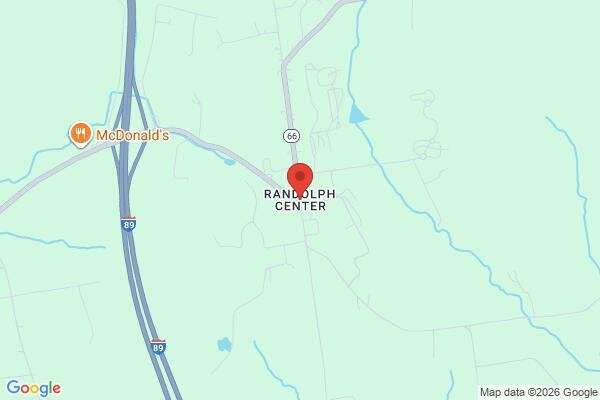
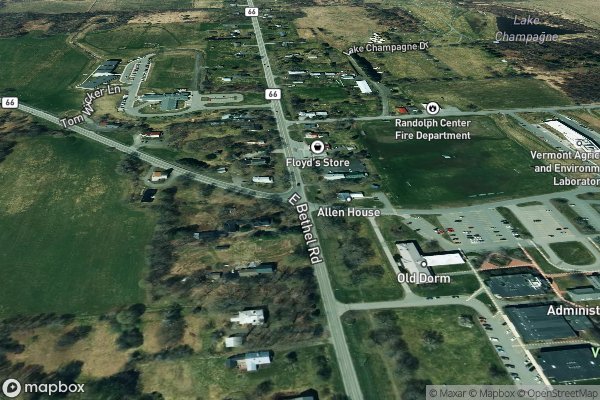
Last October, my neighbor Tom mentioned his heating bills had jumped nearly 30% compared to the previous year. When we walked outside to look at his 1970s colonial, the problem was obvious from the street: thick, velvety moss carpeting the north-facing slope of his roof, with dark streaks running down from the ridge line like ink stains. In Randolph Center’s humid climate—where we get an average of 42 inches of rain annually and those dense morning fogs roll through from spring through fall—roof moss and algae removal isn’t just cosmetic. It’s critical home maintenance that affects everything from your energy efficiency to your roof’s lifespan.
The green moss was bad enough, but those black streaks? That’s Gloeocapsa magma, an algae that literally feeds on the limestone filler in your asphalt shingles. Every Vermont winter, water gets trapped beneath moss growth, freezes, expands, and lifts your shingles just enough to create entry points for moisture. I’ve watched too many Randolph Center homeowners delay addressing this issue, only to face $12,000-$18,000 roof replacements five years earlier than necessary.
How Much Does Professional Black Streaks on Roof Removal Cost?
In the 05061 area, you’re looking at different price points depending on which method you choose. Here’s what I’ve seen contractors charging:
- Soft wash roof cleaning: $350-$650 for an average 2,000 square foot roof, typically completed in 2-3 hours
- Manual moss removal with treatment: $500-$900, which includes careful hand-scraping and biocide application
- Pressure washing (not recommended): $300-$500, but you risk granule loss that shortens your roof’s life by years
- Preventive zinc strip installation: $200-$400 for materials and labor, done during or after cleaning
The price variations depend on roof pitch, accessibility, and severity of growth. That steep-pitched Victorian on Salisbury Road? Expect to pay the higher end because of the safety equipment required. The critical question isn’t just cost—it’s finding roof moss removal without damage, which eliminates pressure washing as an option despite its lower price tag.
Soft Wash vs. Traditional Methods: What Actually Works in Vermont’s Climate?
When searching for “soft wash roof cleaning near me,” you’re looking for contractors who use low-pressure application of specialized cleaning solutions—typically sodium hypochlorite or zinc sulfate-based products. This approach works particularly well for Randolph Center homes because it addresses our specific challenges.
Soft washing kills algae and moss at the root level without blasting away the protective granules on your shingles. The solution is applied at under 100 PSI (garden hose pressure), left to dwell for 15-20 minutes, then rinsed with equally low pressure. Within two weeks, dead moss naturally releases and washes away with rain. The treatment continues working for 12-18 months, which means you’re not just cleaning—you’re preventing regrowth through our next wet spring and summer.
Compare this to pressure washing at 1,500-3,000 PSI, which removes the colored ceramic granules that protect your shingles from UV damage. I’ve seen 15-year shingles fail at year eight because someone pressure-washed them twice. In Vermont’s intense summer sun at our elevation, those granules aren’t optional—they’re essential protection.
The DIY Assessment: Can You Handle This Yourself?
Before calling contractors, grab binoculars and walk your property perimeter. Look for these warning signs that indicate you need professional help immediately:
- Moss thickness exceeding ¼ inch: At this point, roots have likely penetrated beneath shingles
- Curling or lifted shingle edges: Moisture has already compromised the seal
- Black streaking covering more than 30% of visible roof surface: The algae colony is well-established
- Interior ceiling stains or musty attic odors: Water infiltration has already begun
- Visible granule loss in gutters: Your shingles are deteriorating faster than their rated lifespan
If you only see light algae streaking and you’re comfortable on a ladder, you can apply a 50/50 mix of water and white vinegar to small areas. Work on an overcast day (we have plenty) and wet the solution into the affected area with a pump sprayer. Never climb onto the roof surface yourself—even our gentler pitched ranches become dangerously slick when wet.
Long-Term Prevention: Zinc Strips and Algae-Resistant Shingles
Once your roof is clean, preventive measures make sense in our climate. Zinc strips for roof algae prevention get installed along the ridge line—about 2-3 inches of zinc strip exposure does the trick. When it rains, microscopic zinc particles wash down the roof, creating an environment where algae can’t establish. These strips cost roughly $2-$3 per linear foot installed and last 15-20 years.
If you’re facing a roof replacement anyway, algae resistant shingles installation offers built-in protection. Brands like Owens Corning Duration and CertainTeed Landmark include copper granules that provide similar protection to zinc strips. These shingles cost about 10-15% more than standard options but can eliminate cleaning costs for decades. Given Randolph Center’s persistent humidity from May through October, that premium pays for itself if you plan to stay in your home long-term.
Finding Qualified Help in Randolph Center
When getting quotes in 05061, ask contractors specifically about their soft wash roof cleaning equipment and whether they’re insured for roof work—liability and workers’ comp both matter. A qualified professional should assess your specific situation, recommend zinc strips or other prevention if appropriate, and provide a written guarantee for their cleaning work. The investment protects both your immediate comfort and your home’s long-term value.