“`html
Why Your Maribel Roof Looks Like It’s Growing a Carpet This Spring
You walked out to check your mailbox last week and glanced up at your roof—only to notice those dark streaks hadn’t magically disappeared over winter like you’d hoped. Instead, they’ve multiplied. What started as a few patches of darkness on your north-facing roof has spread into prominent black streaks that make your home look older than it actually is. Welcome to the reality of Wisconsin’s humid summers and shaded lots: your roof has become a cozy home for algae and moss.
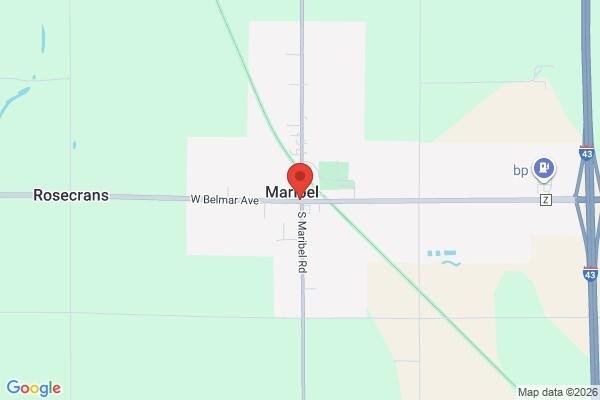
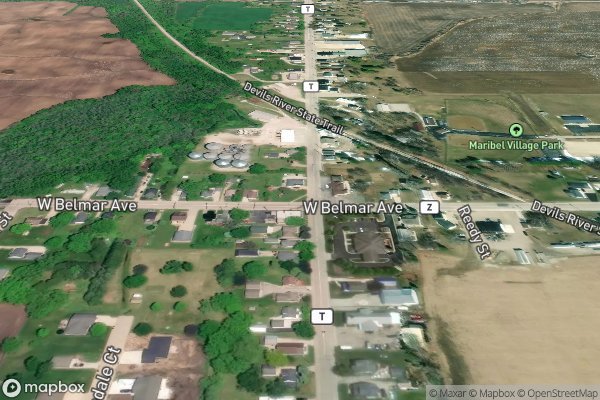
In Maribel’s 54227 area, this isn’t just a cosmetic nuisance. Our combination of tree cover from the nearby woods, morning dew that lingers on shaded roofs, and temperature swings creates the perfect breeding ground for Gloeocapsa magma—the black algae responsible for those unsightly streaks. The moss follows soon after, especially on older roofs in the area’s established neighborhoods where mature trees create shade and drop debris. Left unchecked, these organic invaders can actually shorten your roof’s lifespan by trapping moisture against the shingles and causing premature deterioration.
What’s Actually Causing Those Black Streaks (And Why It Matters)
Those black streaks aren’t dirt or soot—they’re colonies of blue-green algae that feed on the limestone filler in your asphalt shingles. The algae literally eat away at your roofing material while creating a dark biofilm that absorbs heat and accelerates shingle aging. Moss, on the other hand, establishes roots that can lift shingle edges and create entry points for water. During Wisconsin’s freeze-thaw cycles, this moisture expands and contracts, causing even more damage. The financial impact? A roof that should last 25 years might need replacement at 18 years. That’s potentially $8,000-$15,000 in premature costs for an average Maribel home.
Before you grab a pressure washer from your garage, understand that roof moss removal without damage requires a gentler approach. High-pressure washing might blast away the moss, but it also strips away the protective granules on your shingles—granules that shield your roof from UV rays and weather. You’re essentially trading one problem for another, and potentially voiding your roof warranty in the process.
Three Approaches to Roof Moss and Algae Removal: What Works Best in Wisconsin
Let’s compare the most common methods homeowners in the Maribel area use, along with realistic cost expectations:
- Soft Wash Roof Cleaning ($300-$600 for average home): This method uses low-pressure water combined with specialized cleaning solutions (typically sodium hypochlorite or zinc-based formulas) to kill algae and moss at the root. The solution is applied, allowed to sit for 15-20 minutes, then gently rinsed. Professional soft wash roof cleaning near me typically takes 2-4 hours and is safe for most asphalt, composite, and architectural shingles. The downside? Results aren’t immediate—dead algae may take several rain showers to fully wash away.
- Manual Moss Removal with Preventive Treatment ($400-$800): For heavier moss growth, professionals may carefully hand-scrape moss using plastic tools that won’t damage shingles, followed by chemical treatment. This is labor-intensive but thorough. Recovery time for your roof’s appearance is faster than soft washing alone, typically showing full results within 2-3 weeks as dead spores rinse away naturally.
- DIY Chemical Treatment ($75-$150 in materials): Products like Wet & Forget or 30 Seconds Outdoor Cleaner can be applied with a pump sprayer from the ground or on a stable ladder. This works for light to moderate algae but requires multiple applications and patience—you might not see full results for 4-6 weeks. Not recommended if moss has already established thick mats, as dead moss still needs physical removal.
The black streaks on roof removal cost in Maribel typically runs $300-$600 for professional service on a standard 2,000-2,500 square foot home, though steep pitches, multiple stories, or heavy moss coverage can push costs toward $800-$1,200. Get at least three quotes, and be wary of anyone suggesting pressure washing—that’s a red flag they don’t understand proper roof care.
Preventing the Return: Long-Term Solutions That Actually Work
Once you’ve cleaned your roof, prevention becomes crucial. Here’s where zinc strips for roof algae prevention come into play. These copper or zinc-coated metal strips are installed at the roof ridge, and when it rains, trace amounts of metal ions wash down the roof, creating an inhospitable environment for algae and moss. Professional installation costs $200-$400 and can provide protection for 10-15 years. In Maribel’s tree-heavy environment, this is one of the most cost-effective long-term solutions.
If you’re planning a roof replacement soon, consider algae-resistant shingles installation. Manufacturers like CertainTeed, GAF, and Owens Corning now produce shingles with copper granules embedded in the material. Products like GAF Timberline HDZ or CertainTeed Landmark have built-in algae resistance rated for 10+ years. Yes, they cost 10-15% more upfront (roughly $500-$800 extra on a complete roof replacement), but they eliminate the need for cleaning treatments and maintain your home’s curb appeal without extra maintenance.
Critical Mistakes Maribel Homeowners Make
Don’t wait until moss is visibly thick before taking action. By the time you can easily see moss from the ground, it’s already established roots under your shingles. Address algae streaks early—they’re your warning sign. Also, avoid cleaning your roof during Wisconsin’s hot summer months. The ideal time for roof moss and algae removal in our area is April-May or September-October when temperatures are moderate (60-75°F) and you won’t risk heat-stressed shingles or frozen cleaning solutions.
When interviewing contractors for roof cleaning in the 54227 area, ask specifically about their cleaning method (ensure it’s soft wash, not pressure wash), whether they’re insured for roof work, and if they offer any warranty on their algae treatment. A reputable professional should also inspect your roof for any underlying damage while they’re up there—think of it as a bonus roof health check.
“`