“`html
When Dark Streaks Turn Your Roof Into a Neighborhood Eyesore
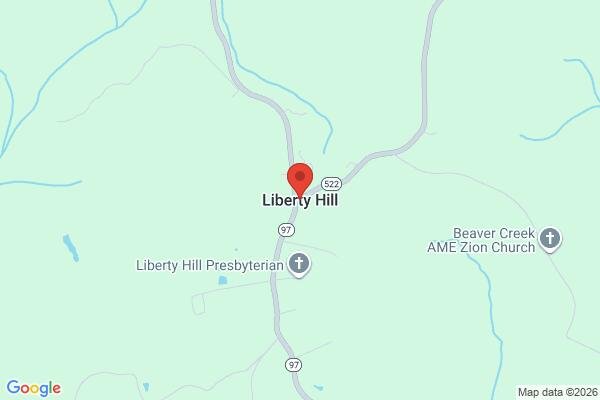
You’re pulling into your driveway on Windsor Street after a spring rainstorm, and something catches your eye. Those dark streaks running down your roof shingles—the ones you thought were just dirt—now look worse than ever. Your neighbor’s roof across the street gleams in comparison, and suddenly you’re wondering how much that neglect might cost you. If you’re noticing black streaks, green moss patches, or a general griminess on your roof in Liberty Hill, you’re dealing with algae and moss growth—a common problem in the 29074 area thanks to South Carolina’s humid subtropical climate and those frequent afternoon thunderstorms that keep everything damp from April through October.
What’s Actually Growing Up There (And Why It Matters)
Those black streaks aren’t dirt at all—they’re Gloeocapsa magma, a cyanobacteria that feeds on the limestone filler in your asphalt shingles. The green stuff? That’s actual moss establishing roots under your shingle edges, slowly lifting them and creating pathways for water infiltration. Here’s what makes Liberty Hill particularly vulnerable: our annual rainfall averages around 45 inches, and those massive oak trees shading your roof (beautiful as they are) create the perfect damp, shaded environment for organic growth. The algae doesn’t just look bad—it actually absorbs heat, which can increase your cooling costs by 15-20% during our brutal summer months. Moss is even worse, potentially reducing your roof’s lifespan by 5-10 years if left untreated.
The Real Cost of Black Streaks on Roof Removal in Liberty Hill
Let’s talk numbers because nobody likes surprise bills. Professional roof moss and algae removal in the Liberty Hill area typically runs between $350 and $800 for an average-sized home (1,800-2,500 square feet). That price varies based on your roof’s pitch, accessibility, and how severe the growth is. If you’re seeing thick moss requiring manual removal before soft washing, you’re looking at the higher end. For just algae streaks treated with soft wash roof cleaning, expect to pay closer to $400-500. Here’s what you should know: any contractor offering to pressure wash your roof for $200 is about to take years off your shingles’ life. The high pressure strips away the protective granules, turning a cosmetic issue into a legitimate structural problem.
Soft Washing vs. Pressure Washing: Why Method Matters for Your Shingles
When you’re searching for “soft wash roof cleaning near me” in the 29074 zip code, you’re on the right track. Soft washing uses low-pressure water (under 500 PSI) combined with specialized cleaning solutions—typically a mix of sodium hypochlorite, surfactants, and water—to kill algae and moss at the root level. A proper soft wash treatment kills the organisms without damaging your shingles, and the results typically last 3-5 years. Compare this to pressure washing, which uses 1,500-3,000 PSI and literally blasts away the problem along with your shingle granules. You’ll get a clean roof temporarily, but you’ve just voided your warranty and probably shortened your roof’s lifespan by several years. Professional roof moss removal without damage requires patience, proper chemical ratios, and understanding dwell times—the solution needs 15-20 minutes to work before gentle rinsing.
Four Critical Mistakes Liberty Hill Homeowners Make
- Waiting too long: Once you see moss, it’s already worked its roots under your shingles. Address algae when it’s just streaks, and you’ll save money on the more intensive moss removal process.
- DIY pressure washing: That rental pressure washer from the hardware store will absolutely clean your roof—and absolutely damage it. The temptation is real when you’re trying to save money, but this is one area where DIY costs more in the long run.
- Ignoring tree trimming: All those oak and pine trees creating beautiful shade are also depositing organic debris and blocking sunlight that would naturally inhibit growth. Keeping branches 6-10 feet away from your roofline prevents 70% of moss problems.
- Skipping prevention: After investing in cleaning, not implementing preventive measures means you’ll be right back here in 18 months instead of 4-5 years.
Prevention Strategies That Actually Work in South Carolina’s Climate
Once you’ve cleaned your roof, you have two proven options for keeping algae at bay. Zinc strips for roof algae prevention are the most popular choice—these are 3-4 inch wide strips of zinc-coated metal installed near your ridge line. When rain hits the zinc, it releases zinc carbonate ions that wash down the roof, creating an environment where algae can’t survive. Professional installation runs $400-600, and the strips last 15-20 years. The alternative? Algae resistant shingles installation when you’re ready for a full replacement. Modern shingles from manufacturers like GAF and CertainTeed incorporate copper granules directly into the shingle material. They cost about 10-15% more than standard architectural shingles but include algae resistance that lasts the lifetime of the roof—typically 30-50 years with warranties to back it up.
Finding Qualified Roof Cleaning Professionals in Liberty Hill
When you’re getting quotes for roof moss and algae removal services in Liberty Hill, SC, ask contractors about their cleaning solutions (they should mention sodium hypochlorite percentages), insurance coverage (general liability and workers’ comp), and whether they rinse gutters and surrounding landscaping after treatment. Look for companies familiar with Liberty Hill’s established neighborhoods where mature landscaping requires extra care. The right professional will walk your property, assess not just your roof but the environmental factors contributing to growth, and provide a realistic timeline for results—usually 2-4 weeks as dead algae gradually weathers off naturally.
“`