“`html
Why Your Greensboro Roof Looks Like It’s Growing a Dark Green Carpet
Last spring, a homeowner on West Roy Furman Highway noticed what looked like dark shadows creeping across their north-facing roof. At first, they assumed it was just dirt accumulation from our wet Pennsylvania winters. By July, those shadows had transformed into unmistakable green-black patches of moss and algae—thick enough that you could see the texture from the street. If you’re reading this, chances are you’ve spotted similar growth on your own roof in the 15338 area, and you’re wondering whether to grab a ladder or call a professional.
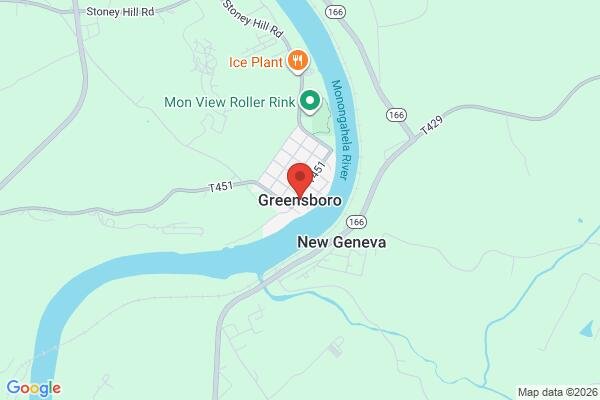
Here’s the reality: Greensboro’s climate creates the perfect storm for roof moss and algae growth. Our humid summers, frequent rainfall, and the way moisture settles in the valleys around Route 88 mean your shingles are basically sitting in a petri dish for half the year. The shaded sections of your roof—especially if you’ve got mature oak or maple trees overhead—stay damp enough for Gloeocapsa magma (that’s the technical name for those black streaks) to thrive. And once algae establishes itself, moss isn’t far behind.
What’s Actually Happening Under Those Black Streaks
Before we dive into removal methods, you need to understand what you’re dealing with. Those black streaks aren’t just cosmetic—they’re colonies of algae feeding on the limestone filler in your asphalt shingles. Think of it like termites slowly eating away at wood, except it’s happening in slow motion across your entire roof. Moss is different but equally problematic. It grows upward and outward, lifting shingle edges and creating pathways for water to seep underneath. In Greene County’s freeze-thaw cycles, that trapped moisture expands and contracts, accelerating shingle damage exponentially.
The good news? Catching this early makes roof moss and algae removal significantly easier and cheaper than waiting until you’re replacing damaged shingles. The typical cost for professional black streaks on roof removal in Greensboro ranges from $400 to $850 for an average-sized home, depending on the severity of growth and roof accessibility. That’s a fraction of what you’d pay for premature roof replacement.
Three Common Mistakes That Make the Problem Worse
Before you grab that pressure washer from your garage, let’s talk about what not to do. These mistakes cost Greensboro homeowners thousands in unnecessary repairs every year:
- Using high-pressure washing: Blasting your roof with 3,000+ PSI will strip the protective granules off shingles faster than a sandblaster. Once those granules are gone, your shingles age about three times faster than they should.
- Applying bleach on a sunny afternoon: Straight bleach evaporates before it can work, and the runoff kills your landscaping. Plus, working on a hot roof in summer heat is dangerous—surface temperatures can hit 160°F.
- Scraping or scrubbing aggressively: This seems logical, but you’re essentially ripping years off your roof’s lifespan. Moss roots into shingle surfaces, and aggressive removal tears up the asphalt substrate.
- Ignoring the downspouts: Dead algae and moss debris will clog your gutters completely. If you don’t flush your gutter system after treatment, you’re trading one problem for another.
The Right Way to Approach Roof Moss Removal Without Damage
Professional soft wash roof cleaning uses low-pressure application (similar to a garden hose) combined with specialized biocide solutions. The process typically takes 3-5 hours for most Greensboro homes and works like this: contractors apply a treatment solution that kills algae and moss at the root level, then gently rinse after allowing appropriate dwell time—usually 15-20 minutes per section. The best part? The treatment continues working for weeks after application, meaning dead growth naturally washes away with rain rather than requiring aggressive scrubbing.
For DIY assessment, wait for an overcast day in spring or fall when temperatures are between 50-70°F. Inspect your roof with binoculars from ground level, looking for these warning signs that indicate you need professional help immediately: lifting or curling shingles, visible daylight through roof boards from your attic, or moss growth thicker than a half-inch. If you spot any of these, climbing up there yourself risks both personal injury and further roof damage.
Prevention: Stopping the Problem Before It Starts
Once you’ve addressed existing growth, prevention becomes crucial. Zinc strips for roof algae prevention work remarkably well in our Pennsylvania climate. These 2-3 inch wide strips get installed along your roof peak, and rainwater carries microscopic zinc particles down the roof surface—zinc is toxic to algae and moss but harmless to everything else. Expect to pay $300-$600 for professional zinc strip installation on a typical Greensboro home. The strips last 10-15 years and dramatically reduce regrowth.
If you’re planning a roof replacement soon anyway, consider algae resistant shingles installation. Manufacturers like GAF, CertainTeed, and Owens Corning now produce shingles with copper granules embedded in the surface. Products like GAF’s Timberline HDZ or CertainTeed’s StreakFighter come with 10-year algae-resistance warranties. Yes, they cost about 10-15% more upfront than standard shingles, but given how quickly algae returns in our humid Greene County climate, they pay for themselves by eliminating repeated cleaning costs.
Finding Qualified Help in Greensboro
When searching for “soft wash roof cleaning near me” in the 15338 area, ask contractors these specific questions: Do they carry liability insurance with roof work coverage? What’s their solution dwell time before rinsing? Will they protect your landscaping with pre-wetting and tarps? A quality professional should answer confidently and explain their process in detail rather than rushing to quote a price. Look for contractors who emphasize gentle cleaning methods and offer some form of satisfaction guarantee on their algae removal work.
“`