Why Your Historic Lexington Colonial Has Those Unsightly Black Streaks
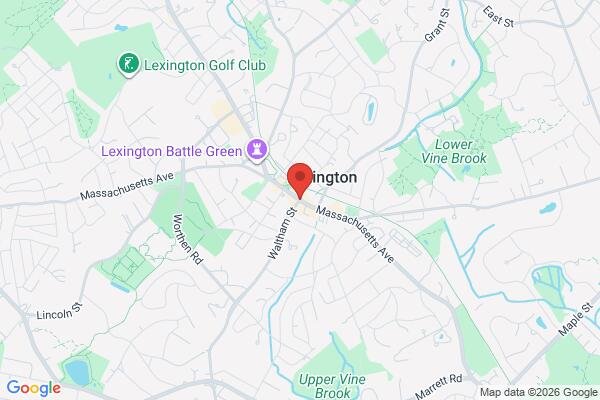
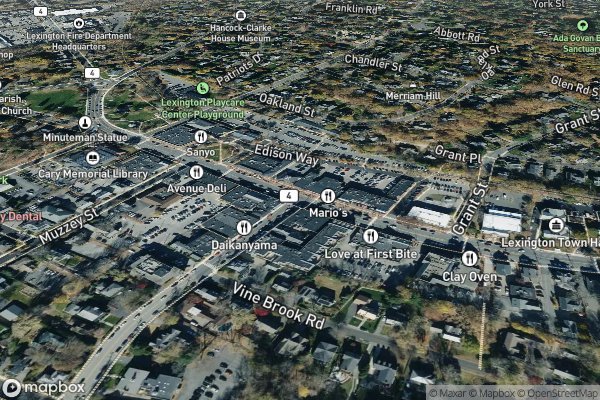
You’re admiring the fall foliage from your deck when you notice it: dark, unsightly streaks running down your north-facing roof slope. From the street, your beautiful Colonial—maybe one of the charming homes near Follen Church or in the historic district—suddenly looks neglected. Those black streaks aren’t just cosmetic issues, and given Lexington’s humid summers and our canopy of mature trees in 02420, your roof has become prime real estate for algae and moss growth.
Here’s what most Lexington homeowners don’t realize: those streaks are Gloeocapsa magma, a cyanobacteria that feeds on the limestone filler in your asphalt shingles. The moss you’re seeing? It’s putting down root-like structures called rhizoids that literally lift your shingles, creating pathways for water infiltration. With our freeze-thaw cycles from November through March, that moisture becomes a serious problem fast.
Understanding Your Options: Three Approaches to Roof Moss and Algae Removal
When tackling roof moss and algae removal, you’ve got three main approaches, each with distinct advantages depending on your roof’s condition and your budget. Power washing is what many homeowners consider first—it’s quick and shows immediate results. However, this method strips away protective granules from your shingles, potentially shortening your roof’s lifespan by 3-5 years. It’s also the riskiest approach for older homes in East Lexington where many roofs date back 20-30 years. The pressure (typically 1,200-3,000 PSI) can crack already brittle shingles and void manufacturer warranties.
Soft wash roof cleaning has become the gold standard for roof moss and algae removal without damage. This method uses low-pressure application (under 500 PSI) combined with biodegradable cleaning solutions—usually sodium hypochlorite mixed with surfactants. The solution does the work, not the pressure. In Lexington, expect to pay $0.40-$0.65 per square foot for professional soft wash services, meaning a typical 2,500 square foot roof runs $1,000-$1,625. The results last 2-4 years, and the process takes about 3-4 hours including setup and rinse time.
The third approach is manual removal with prevention. A roofing professional carefully scrapes away moss (always working downward to avoid lifting shingles), then installs zinc or copper strips near the roof ridge. When it rains, these metals release ions that inhibit algae growth on the surfaces below. Zinc strips for roof algae prevention cost roughly $2-4 per linear foot installed. For a 40-foot ridge, you’re looking at $80-160 for materials and installation. The downside? This prevents future growth but doesn’t remove existing stains quickly—expect 6-12 months of gradual fading through natural weathering.
Common Mistakes That Make Black Streaks on Roof Removal Cost More
Lexington homeowners frequently make these errors when dealing with roof algae:
- Waiting too long to address the problem: Once moss establishes root systems under your shingles, removal becomes more complex and expensive. What could have been a $1,200 soft wash becomes a $4,000+ partial roof replacement project.
- Using bleach without proper dilution or protection: Straight bleach damages landscaping (think of those prized azaleas and rhododendrons common in Lexington yards), corrodes gutters, and can create runoff issues with our town’s stormwater regulations.
- Attempting DIY power washing: Beyond the damage to shingles, walking on a wet, algae-covered roof is genuinely dangerous. Lexington Fire Department responds to multiple roof-related falls each year.
- Choosing the cheapest quote without verifying methods: A company charging $600 for the same job others quote at $1,200 is probably using high-pressure washing or shortcuts that create long-term damage.
- Ignoring the source problem: If overhanging branches from those gorgeous Lexington oaks keep your roof perpetually damp and shaded, the algae will return quickly regardless of cleaning method.
Prevention Worth Considering: Algae Resistant Shingles Installation
If you’re within 3-5 years of needing a roof replacement anyway, consider algae resistant shingles installation when that time comes. Modern architectural shingles from manufacturers like CertainTeed (StreakFighter), GAF (StainGuard), and Owens Corning (StreakGuard) incorporate copper granules throughout the shingle. These typically carry 10-year warranties against algae discoloration. In Lexington’s humid microclimate—especially properties near conservation land or wooded areas—these shingles can save you thousands in cleaning costs over a roof’s 25-30 year lifespan.
Questions to Ask When Getting Soft Wash Roof Cleaning Near Me Quotes
When you’re researching soft wash roof cleaning near me in the 02420 area, ask contractors these specific questions: What’s the PSI of your equipment? (Should be under 500.) What cleaning solution do you use, and is it safe for my foundation plantings? Will you protect my gutters and downspouts? Do you offer any warranty on the cleaning—and if so, for how long? Can you provide references from other Lexington properties, ideally homes with similar roof ages and tree coverage? These questions quickly separate experienced professionals from operators running pressure washers out of pickup trucks.
Finding qualified roofing professionals in Lexington, MA means looking for contractors with specific experience in roof moss and algae removal, proper insurance coverage, and familiarity with our town’s historic properties. Your roof is too valuable—and too visible from Battle Green—to trust to anyone without a proven track record in 02420.