“`html
Why Your Canyonville Roof Looks Like It’s Growing a Science Experiment
You’ve noticed it for months now—those dark streaks creeping down your roof like spilled coffee, and what looks suspiciously like a miniature forest starting to colonize your north-facing shingles. Welcome to homeownership in Canyonville, where our 40+ inches of annual rainfall combined with mild winters creates the perfect breeding ground for roof moss and algae. That Pacific Northwest moisture we love for our gardens? Your roof definitely doesn’t share the enthusiasm.
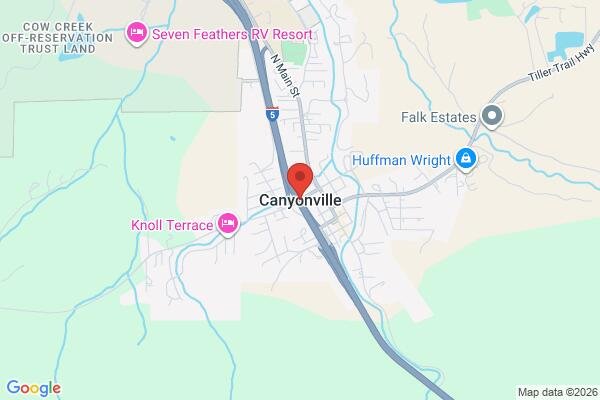
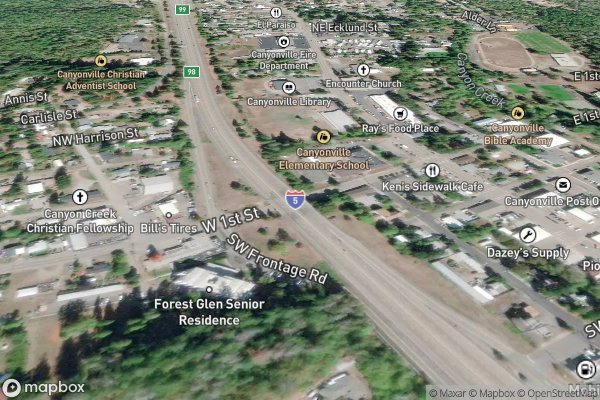
Here’s the thing about those black streaks and fuzzy green patches: they’re not just cosmetic annoyances. Moss roots work their way under shingles, lifting them slightly and creating entry points for water. Meanwhile, that black streaking isn’t dirt—it’s Gloeocapsa magma, a type of algae that literally eats away at the limestone filler in your asphalt shingles. Left unchecked for a few years in our damp 97417 climate, you’re looking at premature roof replacement instead of a simple cleaning.
What’s Actually Causing Those Black Streaks on Your Roof?
Before you can fix the problem, let’s bust a common myth: those dark streaks aren’t caused by pollution, dirt buildup, or poor-quality shingles. It’s algae, plain and simple. In Canyonville’s humid environment—especially on north-facing slopes that stay shaded and damp—algae spores settle, feed on the limestone in your shingles, and multiply. The black color comes from the algae’s protective pigment that shields it from UV rays. Moss, on the other hand, thrives in those same damp conditions but requires an actual foothold. It typically starts in areas where debris accumulates: valley channels, behind chimneys, or near overhanging tree branches.
The cost for professional black streaks on roof removal in the Canyonville area typically runs between $300-$600 for an average 2,000-square-foot home, depending on severity and roof pitch. Moss removal adds another layer—expect $400-$800 for moderate growth, or $1,000+ if you’ve got established colonies that require careful hand-removal to avoid shingle damage.
The Right Way vs. The Risky Way: Roof Cleaning Methods Compared
Not all cleaning approaches are created equal, and choosing the wrong method can take years off your roof’s life. Here’s what you need to know about the three main options:
- Pressure Washing (The Bad): That 3,000 PSI pressure washer in your garage? Keep it away from your roof. High-pressure washing strips away the protective granules on asphalt shingles, exposing the base mat underneath. You’ll get a clean roof that starts deteriorating within a year. Absolutely skip this approach for roof moss removal without damage.
- Soft Wash Cleaning (The Good): This low-pressure method uses specialized cleaning solutions—typically sodium hypochlorite or sodium percarbonate—applied at garden-hose pressure. The chemicals do the work, not mechanical force. Treatment takes 45-90 minutes, results appear over 1-2 weeks as algae dies off naturally, and you preserve shingle integrity. Most professional soft wash roof cleaning near me searches in Canyonville will connect you with contractors using this method.
- Manual Removal with Treatment (The Thorough): For established moss, pros will carefully hand-scrape growth using plastic tools, then follow with soft wash treatment. This takes 3-5 hours but addresses both immediate growth and kills remaining spores. It’s the gold standard for severe infestations.
How to Keep Moss and Algae From Coming Back
Cleaning your roof is step one. Preventing regrowth? That’s where smart homeowners in Canyonville separate themselves from those who’ll be calling for another cleaning in 18 months. Zinc strips for roof algae prevention work remarkably well in our climate. These 2-3 inch wide strips get installed along your roof ridge, and every time it rains, microscopic zinc particles wash down the roof surface, creating an environment where algae and moss can’t establish themselves. Installation costs $200-$400 and provides 10+ years of protection. The payback versus repeated cleanings is obvious.
If you’re facing a roof replacement anyway—especially if your current shingles are 15+ years old with significant granule loss—consider algae resistant shingles installation. Products like Owens Corning Duration with StreakGuard or GAF Timberline HDZ with StainGuard contain copper granules that provide built-in algae resistance. They cost roughly 10-15% more than standard architectural shingles but can extend the time between cleanings from 2-3 years to 7-10 years in Canyonville’s conditions.
Questions Smart Canyonville Homeowners Ask Before Hiring
When you’re getting quotes for roof cleaning in the 97417 area, don’t just compare prices. Ask these specific questions:
- What’s the exact PSI rating you’ll use for application? (Answer should be under 100 PSI for soft washing)
- What cleaning solution do you use, and is it safe for landscaping? (Quality pros will explain their products and plant protection methods)
- Do you offer any warranty on algae/moss regrowth? (Some companies guarantee 2-3 years against recolonization)
- Will you clear debris from gutters as part of the service? (Clogged gutters accelerate moisture problems)
- Are you licensed and insured specifically for roof work in Oregon? (Non-negotiable for your protection)
Finding qualified professionals in Canyonville who understand our specific climate challenges makes all the difference between a roof that looks great for years versus one that needs repeated attention. Look for contractors with verifiable local references, proper Oregon CCB licensing, and who can explain their process in detail without pressuring you for an immediate decision. Your roof deserves that level of care.
“`