“`html
Why Those Dark Streaks on Your Brocket Roof Aren’t Just Dirt
Last summer, a homeowner on Main Street in Brocket noticed dark streaks creeping down the north side of her roof. She figured road dust or debris from the fields had settled there—nothing a good rainstorm wouldn’t wash away. By fall, those streaks had spread across half the roof, and neighbors started asking if she was planning to replace her shingles. The culprit wasn’t dirt at all. It was Gloeocapsa magma, a type of algae that thrives in North Dakota’s humid summers and feeds on the limestone filler in modern asphalt shingles. If you’re seeing similar black streaks on your roof in the 58321 area, you’re dealing with more than a cosmetic issue—you’re looking at organic growth that can shorten your roof’s lifespan by 5-10 years if left untreated.
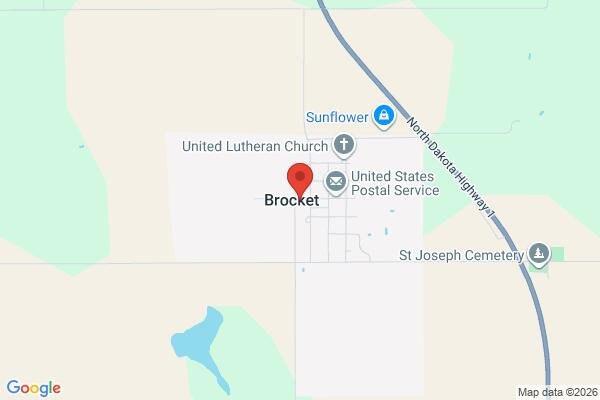
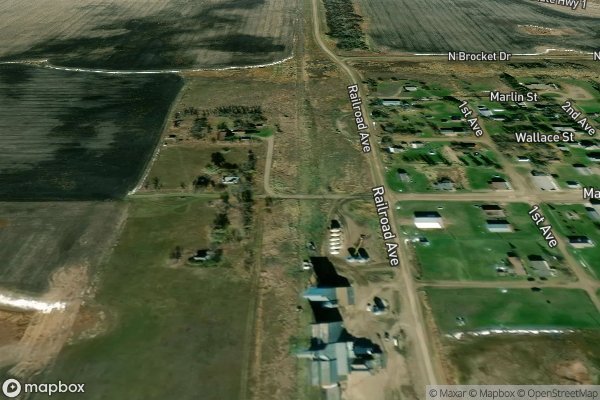
What’s Really Growing Up There (And Why Brocket Roofs Are Vulnerable)
Brocket’s climate creates the perfect storm for roof algae and moss. Those humid summer nights following afternoon thunderstorms? That’s when algae spores settle and start colonizing. The freeze-thaw cycles we experience from October through April create tiny cracks in shingles where moisture accumulates, giving moss a foothold. North-facing roof sections get less direct sunlight and stay damp longer—which is why you’ll often see the worst growth on those slopes. The algae appears as dark streaking, while moss grows as thick, spongy patches that can lift shingle edges and allow water infiltration. Both problems accelerate shingle deterioration because they retain moisture against the roof surface, causing granule loss and premature aging. If you’re in one of Brocket’s older neighborhoods with mature trees providing shade, you’re at even higher risk.
Understanding Black Streaks on Roof Removal Cost in Brocket
Professional roof moss and algae removal in the Brocket area typically runs between $350-$800 for an average-sized home (1,500-2,500 square feet). Several factors influence where you’ll land in that range. A roof with light algae staining and easy access might cost $350-$450, while a heavily moss-covered roof with steep pitches or multiple levels could reach $700-$800. The treatment method matters too. Most reputable contractors in North Dakota use soft wash roof cleaning, which applies specialized cleaning solutions at low pressure (under 500 PSI) to kill organic growth without damaging shingles. This is dramatically different from pressure washing, which can blast away protective granules and void your shingle warranty. When getting quotes, ask specifically whether they use soft wash techniques and what cleaning agents they apply. Sodium hypochlorite-based solutions (similar to concentrated pool shock) are industry standard, but the concentration and application method separate careful professionals from rushed operators.
DIY Assessment: Should You Clean It Yourself or Call a Pro?
Before scheduling professional roof moss and algae removal, you can assess the severity yourself from ground level using binoculars. Here’s what to look for and what it means:
- Light streaking on less than 25% of roof surface: Early-stage algae growth that’s primarily cosmetic. You might handle this with DIY methods if you’re comfortable on a ladder.
- Dark staining covering 25-50% of roof area: Moderate growth that warrants professional treatment within the next season to prevent damage.
- Visible moss patches or thick algae layers: Advanced growth requiring immediate professional intervention. Moss roots can work under shingles and cause leaks.
- Lifted or curled shingle edges around growth areas: Structural compromise has begun. Schedule professional inspection immediately.
- Granules visible in gutters: Combined with algae/moss, this indicates accelerated shingle deterioration.
- Interior ceiling stains or attic moisture: Growth has likely contributed to water intrusion. This is an emergency situation.
For light cases, some Brocket homeowners attempt DIY treatment using diluted bleach solutions (1 part bleach to 3 parts water) applied with a pump sprayer from a ladder. However, this comes with significant risks. Working on roofs is inherently dangerous—North Dakota’s wind conditions make it even more treacherous. Walking on shingles, especially wet ones, can cause breakage. Additionally, improper chemical concentrations or application techniques can damage plants below, discolor siding, or fail to kill the root systems of moss. If you’re not experienced with ladder safety and roof work, professional roof moss removal without damage is worth every penny of that $350-$800 investment.
Prevention Methods: Zinc Strips vs. Algae-Resistant Shingles
Once you’ve addressed existing growth, preventing recurrence becomes the priority. Two approaches dominate in the Brocket market, each with distinct advantages. Zinc strips for roof algae prevention involve installing 2-3 inch wide zinc-coated metal strips along your roof ridge. When rain hits these strips, microscopic zinc particles wash down the roof, creating an environment hostile to algae and moss. Installation costs $200-$400 for most homes, and the strips last 15-20 years. They’re particularly effective on roofs with moderate sun exposure. The downside? They won’t help with existing growth, and they’re less effective on heavily shaded roofs where water doesn’t flow regularly.
The alternative is investing in algae resistant shingles installation when it’s time to replace your roof. Manufacturers like Owens Corning, GAF, and CertainTeed now include copper granules embedded in shingles specifically designed to inhibit algae growth. These shingles cost about $20-$35 more per square (100 square feet) than standard options—typically adding $500-$800 to a complete roof replacement. The protection lasts the lifetime of the shingle, usually backed by 10-year algae warranties. For Brocket homeowners planning roof replacement within the next 5 years anyway, this represents the most cost-effective long-term solution. Those with newer roofs get better ROI from zinc strip installation combined with periodic soft wash treatments every 3-5 years.
Finding Qualified Roof Cleaning Professionals in the 58321 Area
When searching for “soft wash roof cleaning near me” in Brocket, prioritize contractors who can demonstrate specific experience with algae and moss removal, carry liability insurance (ask for proof), and explain their chemical application process in detail. The best professionals will assess your roof from the ground initially, provide written estimates breaking down labor and materials, and offer prevention recommendations tailored to your specific situation. Look for companies serving the greater Walsh County area who understand North Dakota’s unique climate challenges and use cleaning methods that preserve shingle integrity while eliminating organic growth.
“`