Why Your Monroe Roof Looks Like a Science Experiment Gone Wrong
Last spring, your roof was fine. Then the Pacific Northwest did its thing—months of drizzle, overcast skies, and that particular brand of dampness that makes Monroe feel like it’s inside a terrarium. Now you’ve got dark streaks running down your shingles that look like someone dragged charcoal across them, and there’s enough green fuzz up there to qualify as a miniature lawn. Welcome to the reality of living in 98272, where roof moss and algae removal isn’t a luxury service—it’s preventative maintenance that can save you thousands in premature roof replacement.
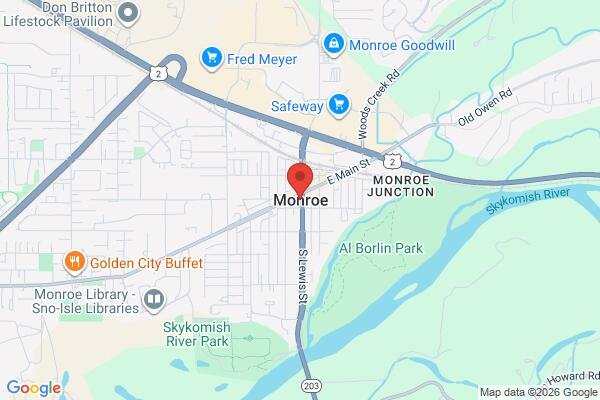
The black streaks on your roof aren’t dirt or pollution. They’re Gloeocapsa magma, a photosynthetic bacteria that feeds on the limestone filler in asphalt shingles. The moss? That’s even worse. Its roots burrow under shingles, lifting them and creating pathways for water to seep into your roof deck. Monroe’s 50+ inches of annual rainfall combined with our mild winters creates ideal conditions for both problems. If your home is in one of Monroe’s older neighborhoods near the Skykomish River or surrounded by Douglas firs that shade your roof, you’re fighting an uphill battle.
The Real Cost of Black Streaks on Roof Removal (And What You’re Actually Paying For)
Here’s what you need to know about pricing for roof moss and algae removal in Monroe. Professional soft wash roof cleaning near me searches typically turn up quotes between $350-$750 for an average 2,000 square-foot home, depending on the severity of growth and roof pitch. That might seem steep, but understand what you’re getting. A legitimate soft wash roof cleaning uses low-pressure water (under 500 PSI) combined with specialized biocides like sodium hypochlorite or zinc sulfate. This kills organic growth at the root without blasting off your shingle granules like a pressure washer would—a critical distinction that can mean the difference between cleaning your roof and destroying it.
Some homeowners attempt DIY moss removal, and if you’re careful, you can handle light algae growth. But here’s where people mess up: they either use too much pressure (anything over 1,000 PSI will strip years off your shingle life) or they scrape moss off dry, which tears up shingles. If you’re going the DIY route for roof moss removal without damage, wait for a rainy day when moss is saturated and soft, use a soft-bristle brush, and work from the top down with gentle sweeping motions. Apply a solution of one part bleach to three parts water, let it sit for 15-20 minutes, then rinse with a garden hose—not a pressure washer.
Three Prevention Strategies That Actually Work in Monroe’s Climate
Cleaning is one thing. Keeping moss and algae from coming back in our perpetually damp climate requires a real strategy:
- Zinc strips installation: These 2-4 inch strips of zinc sheet metal get installed just below your ridge line. When it rains, microscopic zinc molecules wash down your roof, creating a hostile environment for algae and moss. Expect to pay $200-$400 for professional installation, and they’re effective for 15-20 feet of downward coverage. For larger roofs, you’ll need multiple strips.
- Algae resistant shingles installation: If you’re due for a roof replacement anyway, consider shingles with copper granules embedded in them (brands like GAF Timberline HDZ or CertainTeed Landmark Solaris). They cost 10-15% more than standard shingles but provide built-in algae resistance that lasts the lifetime of the shingle.
- Strategic tree trimming: Moss loves shade and moisture. If overhanging branches keep your roof perpetually damp and block sunlight, you’re creating a moss nursery. Trim back branches to allow at least 6 feet of clearance and improve air circulation.
- Regular maintenance treatments: Annual applications of zinc sulfate or copper sulfate solutions in early spring (before moss gets established) can prevent growth. This costs $150-$250 if you hire it out, or about $40 in materials if you DIY it safely.
When DIY Becomes “Please Send Help”
Some situations demand professional intervention immediately. If you’re seeing moss thicker than a quarter-inch, it’s already under your shingles. If you’ve got visible shingle damage—curling edges, missing granules, or lifted tabs—don’t attempt removal yourself because you’ll likely cause more harm. And if your roof is steeper than 6/12 pitch (rises 6 inches for every 12 inches of horizontal run), the safety risks aren’t worth the savings. Monroe’s building codes don’t require homeowners to use fall protection, but professionals carry liability insurance and use proper safety equipment. One slip on a wet roof can mean a hospital visit or worse.
Questions to Ask Before Hiring a Roof Cleaning Contractor in Monroe
When you’re getting quotes for soft wash roof cleaning near me, dig deeper than just price. Ask if they use biocides specifically formulated for roof cleaning (generic bleach works but isn’t ideal). Confirm they won’t use pressure washers—the answer should be an immediate “no, we only soft wash.” Request proof of liability insurance and ask what their process is for protecting your landscaping, because those cleaning solutions can damage plants. And get their timeline: a thorough job on a 2,000 square-foot roof should take 2-4 hours, not 30 minutes.
Finding qualified roofing professionals in Monroe, WA means looking for contractors with specific experience in moss and algae removal—not just general pressure washing companies who’ll treat your roof like a driveway. Ask for references from other homes in 98272, particularly if you’re dealing with composition shingles that require gentle handling. The right contractor will assess your specific situation, explain their process in detail, and offer prevention options beyond just cleaning.