“`html
Why Your Beresford Roof Looks Like It’s Wearing a Fuzzy Green Sweater
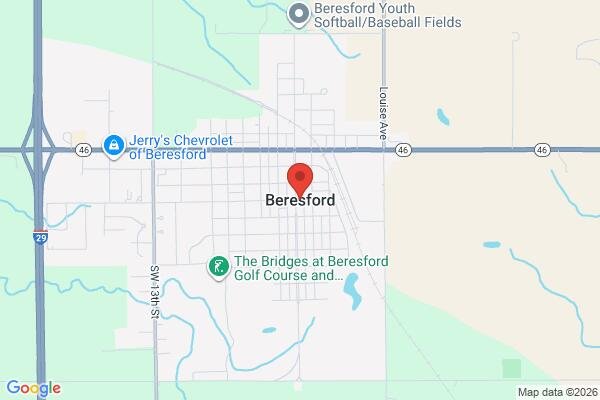
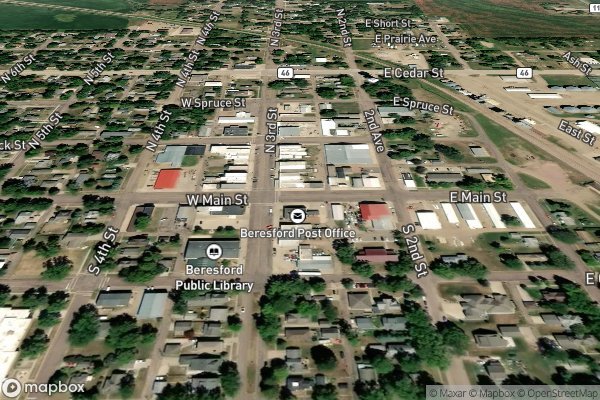
You’re pulling into your driveway on a humid September afternoon when you notice something off about your neighbor’s roof across the street. Dark streaks run down the north-facing slope like someone spilled ink across the shingles. Then you look at your own roof and realize—yours looks even worse. Those aren’t just dirt stains. Between Beresford’s muggy summer nights and our position along the Big Sioux River valley, you’re looking at a thriving colony of algae and moss that’s been silently damaging your roof for months, maybe years.
The black streaks on your roof aren’t just cosmetic problems. They’re caused by Gloeocapsa magma, a type of algae that feeds on the limestone filler in asphalt shingles. Moss, which tends to grow thicker on shaded areas, works its way under shingle edges and holds moisture against your roof deck. In Beresford’s freeze-thaw cycles—we can swing from 40°F to below freezing within hours during spring and fall—that trapped moisture expands and contracts, literally prying your shingles apart. The damage compounds every season you ignore it.
What’s Actually Causing Growth on Beresford Roofs?
Our location in southeastern South Dakota creates perfect conditions for roof algae and moss. We get enough rainfall (around 26 inches annually) to keep organisms happy, but not enough to naturally wash them away. The mature trees throughout older Beresford neighborhoods near downtown provide shade that keeps roofs damp longer after rain. Plus, our relatively moderate summers compared to western South Dakota mean algae can thrive without getting scorched off. If your home is in the 57004 area with north-facing roof sections or nearby trees, you’re especially vulnerable. Here’s the thing most homeowners don’t realize: once algae establishes itself, it spreads to neighboring homes through airborne spores. That’s why entire blocks sometimes develop the same dark streaking pattern within a few years.
Understanding Your Removal Options: Soft Wash vs. Pressure Washing
When researching roof moss and algae removal, you’ll encounter two main approaches, and choosing the wrong one can cost you thousands in premature roof replacement. Traditional pressure washing uses high-PSI water blasts (2,000-3,000 PSI) that strip away algae along with the protective granules on your shingles. It’s like using a fire hose to wash your car’s paint—technically effective but destructive. Soft wash roof cleaning, on the other hand, uses low-pressure application (under 500 PSI) combined with specialized cleaning solutions. The chemicals do the work, not the water pressure.
For roof moss removal without damage, soft washing is your only safe bet on asphalt shingles. A proper soft wash treatment typically involves a sodium hypochlorite solution (similar to household bleach but at professional concentrations) mixed with surfactants that help it cling to vertical surfaces. The solution kills algae and moss at the root level, and lighter growth rinses away immediately while heavier moss may take a few rain cycles to fully detach. The process usually takes 2-4 hours for an average Beresford home and costs between $350-$650 depending on your roof’s square footage and the severity of growth. That’s significantly less than the $8,000-$15,000 you’d spend replacing a roof prematurely damaged by pressure washing or neglected algae growth.
Prevention Strategies That Actually Work in South Dakota’s Climate
Once you’ve addressed existing growth, prevention becomes your focus. Here are four proven approaches that hold up to Beresford weather conditions:
- Zinc strips for roof algae prevention: Install 2-4 inch zinc or copper strips along your roof ridge. When rain hits these strips, metal ions wash down the roof, creating an environment hostile to algae growth. Cost: $150-$300 installed. Effectiveness lasts 10-15 years but works best on roofs with consistent water flow.
- Algae resistant shingles installation: Modern architectural shingles from manufacturers like CertainTeed and Owens Corning now incorporate copper granules throughout the shingle. If you’re due for replacement anyway, these cost only $50-$100 more per square than standard shingles and come with algae-resistance warranties.
- Strategic tree trimming: Cutting back branches that shade your roof increases sunlight exposure and airflow, both natural algae deterrents. This is especially important for homes in older Beresford neighborhoods with mature oak and elm trees.
- Annual preventive treatments: Having a professional apply preventive cleaning solution every 18-24 months costs around $200-$300 and stops algae before visible growth appears. Think of it like applying fertilizer to prevent weeds rather than pulling weeds after they’ve taken over.
When DIY Becomes Dangerous: Warning Signs You Need Professional Help
Some homeowners attempt DIY cleaning with bleach and a garden sprayer, which can work for very light surface algae. However, you should call professionals immediately if you notice moss thicker than a quarter-inch, shingles that curl or lift when you inspect them, or visible granule loss in your gutters. Working on roofs is inherently dangerous, and Beresford’s windy conditions make it even riskier. If your roof pitch exceeds 6:12 (rises 6 inches for every 12 inches of horizontal run), don’t attempt cleaning yourself—the safety equipment and experience required justify professional costs.
Finding Qualified Roof Cleaning Services in Beresford
When searching for “soft wash roof cleaning near me” in the 57004 area, ask contractors specifically about their cleaning solution concentrations, what protective measures they take for landscaping, and whether they’re insured for roof work. Legitimate professionals should explain their process in detail and offer written guarantees. The investment in proper roof moss and algae removal protects one of your home’s most expensive components and maintains your property value in Beresford’s competitive housing market.
“`